Introduction
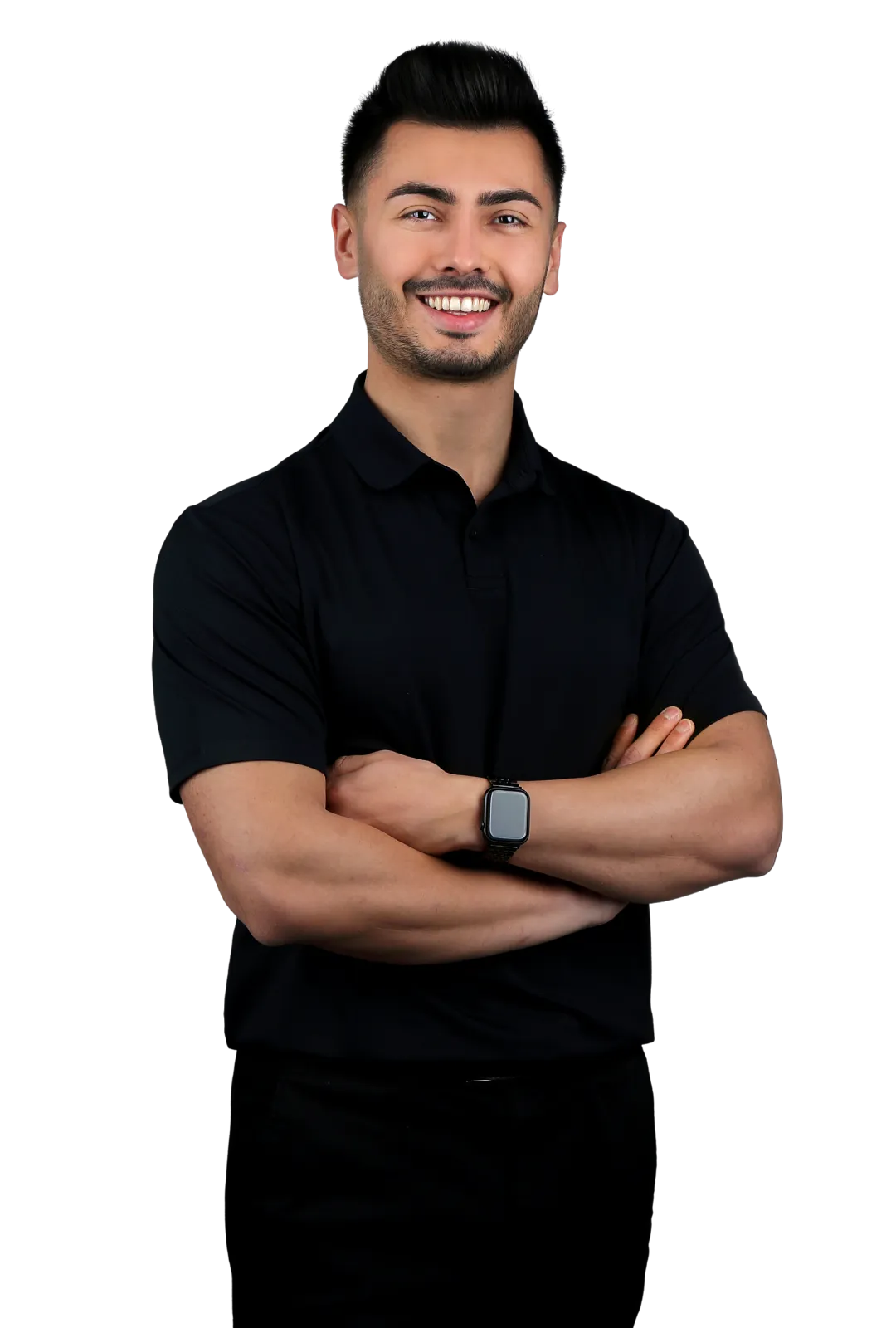
Enis Çalışkan graduated with honours from İstinye University's Department of Physiotherapy and Rehabilitation in 2021. After graduating, he deepened his professional development through certification programmes chosen around manual therapy and orthopaedic rehabilitation while working in private practice settings.
Education and Professional Journey
During his undergraduate years, his interest leaned more strongly towards the musculoskeletal system and spinal health than other areas. Manual therapy struck him as a field where knowledge translates directly into practice and where change in the patient can be observed within the session; this early instinct largely shaped his professional direction.
He completed his clinical placements at İstinye University Hospital and Medical Park, working mainly on musculoskeletal cases and the rehabilitation of lower back and neck disc herniation. After graduating, he gained experience across several private practices in İstanbul. In 2023, he established his own practice in Beşiktaş, where he sees his patients today.
Advanced Training
Since graduating, he has completed three main training programmes relevant to his field of practice; the certificates for a total of 235 hours of accredited training can be viewed in the documents section below.
MANEX Concept (168 hours, 14 modules). A neuro-orthopaedic rehabilitation programme that brings manual therapy, neuroscience and exercise together within a single framework. This training instilled the discipline of assessing the patient not only anatomically, but as a whole — including pain perception, lifestyle and psychosocial context.
OMT Training (37 CPD hours). Covers spinal manipulation, osteopathic articulation and kinesiology taping techniques. Much of the manual therapy he draws on in practice today, together with the foundation of his clinical safety (red flag) assessment, rests on this training.
Integrated Kinetic Neurology — Levels 1 and 2 (30 CEU). Focuses on the role of the nervous system in movement and pain, offering practical methods used in assessment and exercise selection.
My Approach
Assessing a patient is, to me, the most decisive moment of the first session. When the pain began, which movements aggravate it and how it affects daily life are the first signs that tell me where treatment should begin. This is why I listen to my patients carefully and clarify the picture with a few key questions. Often the clue to the right clinical decision lies in a small detail the patient mentions.
"Assessment is the compass of treatment. Every body tells a story, and without understanding that story it is impossible to find the right direction."
When the history, clinical findings, and the patient's age, occupation and daily routine are considered as a whole, a sound treatment roadmap emerges. From this map, a plan tailored to the individual takes shape: manual therapy techniques, an exercise programme suited to the person, and where needed, education about the meaning of the pain or movement pattern. The key to a lasting result lies not in the session alone, but in the patient's active participation in the process. The home exercises and daily movement advice I provide are, for exactly this reason, an inseparable part of treatment.
In the Media
Segments from television programmes he took part in on manual therapy and musculoskeletal health.
Documents
Undergraduate diploma and the training certificates completed during his professional development. Click an image to view it at full size.
Get in Touch
If you would like more detailed information on these topics or to arrange an appointment for an assessment, you can get in touch via the link below.
Get in Touch →