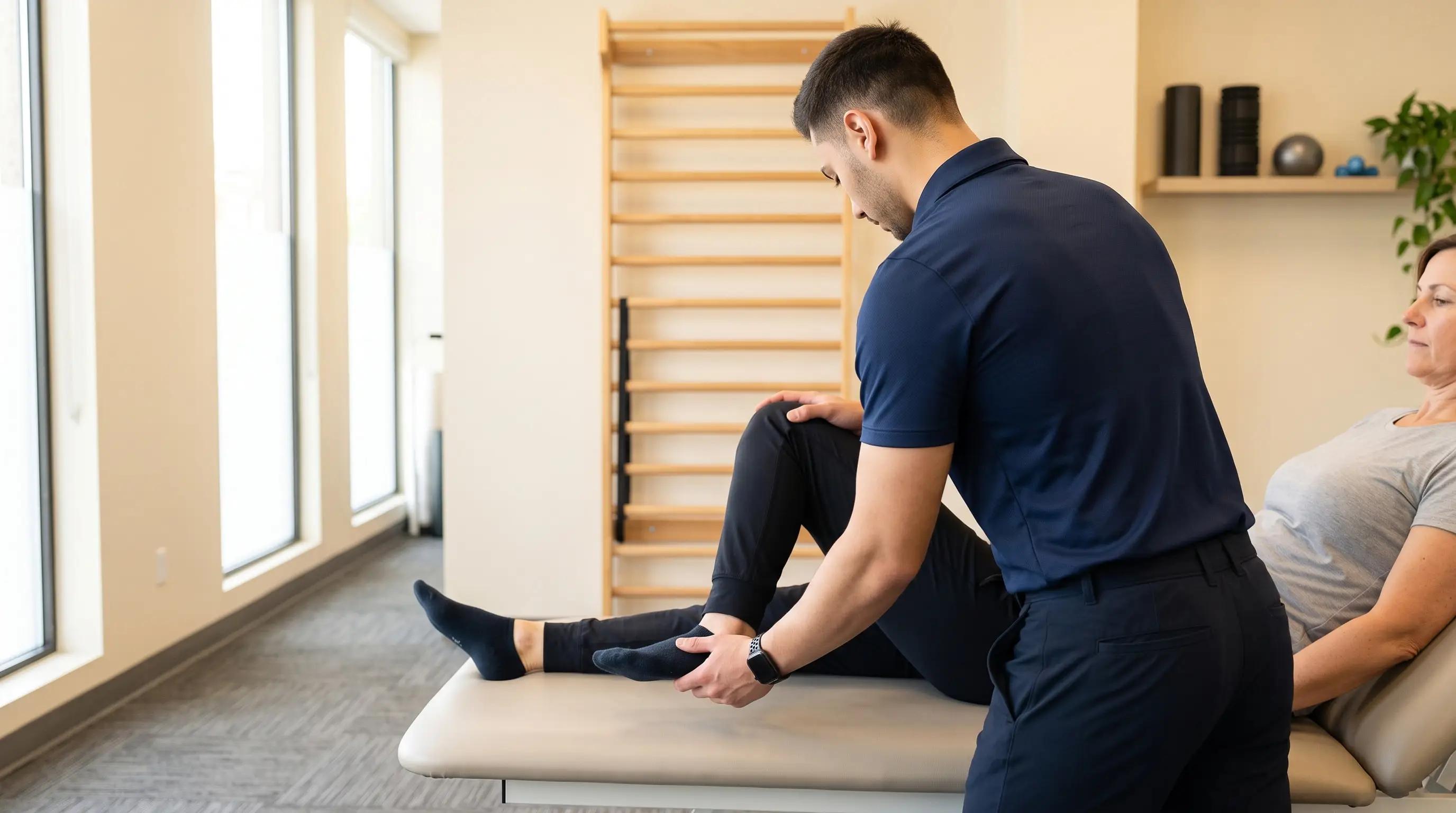
How Can Physiotherapy Help with Post-Surgical Rehabilitation?
Following orthopaedic surgery, physiotherapy is a critical component of the recovery process. Regaining range of motion, rebuilding muscle strength and returning to daily activities are among the fundamental goals of the post-surgical physiotherapy process.
Physiotherapy Assessment
The first step in post-surgical physiotherapy is a comprehensive assessment by the physiotherapist. The assessment covers:
- Type of surgery and the post-operative protocol (loading and range-of-motion restrictions)
- Current range of motion and restrictions
- Muscle strength and level of atrophy (muscle wasting)
- Pain levels and wound healing status
- Functional goals (daily life, work, sport)
Physiotherapy Approaches
The approaches used in post-surgical rehabilitation vary depending on the type of surgery and stage of recovery, and may include:
- Manual therapy — gradual improvement of range of motion through joint mobilisation and soft tissue techniques at the appropriate stage
- Therapeutic exercise — beginning with isometric exercises in the early phase and progressively advancing to strengthening and functional exercises
- Gait training — re-establishing safe and correct walking patterns following lower limb surgery
- Home exercise programme — regularly continuing exercises learnt during sessions at home
The extent to which each approach is applied is determined based on individual assessment and the post-operative protocol.
When Should You See a Physiotherapist?
Post-surgical physiotherapy begins in the period set by the protocol and within its restrictions. If you are planning surgery, a pre-surgical physiotherapy assessment can also contribute to your recovery process. Your physiotherapist can create a rehabilitation plan tailored to your condition, taking the type of surgery and the healing phase into account.
You can book an appointment for an assessment and to plan your post-surgical rehabilitation.
This content is for informational purposes only. It is not intended as medical advice. Please consult your physician and physiotherapist for any health concerns.